NGC 188: A Star Cluster That's Defying Cosmic Aging
In Brief
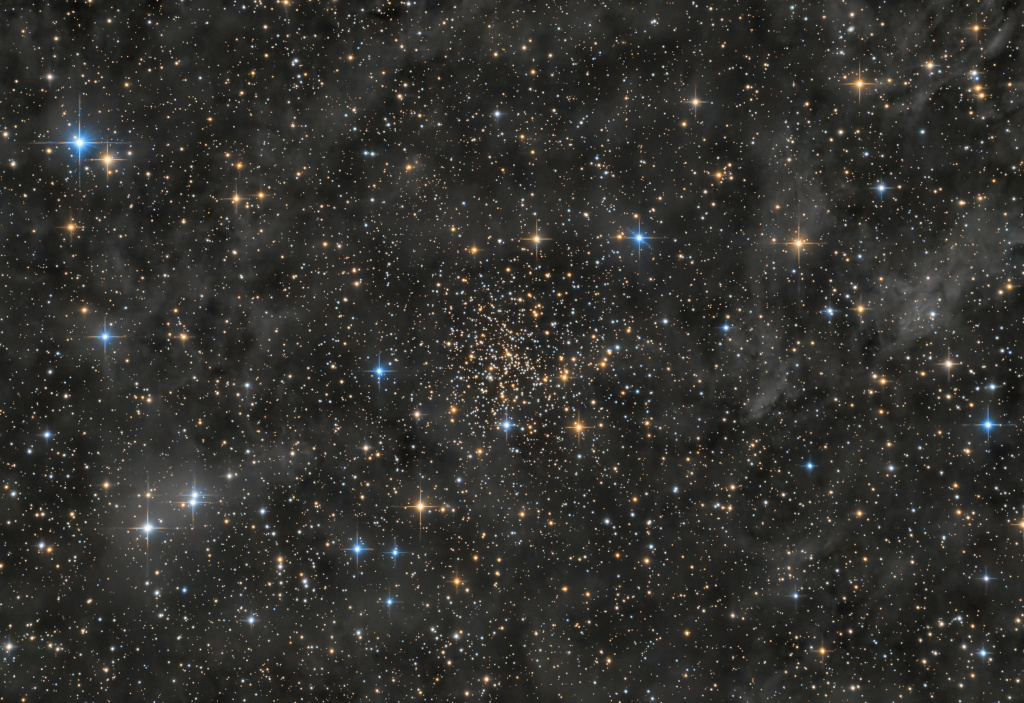
Meet NGC 188, a vibrant collection of stars 6,000 light-years away in the constellation Cepheus. This "open star cluster" is an astronomical anomaly, boasting a remarkable age of about 7 billion years, making it one of the oldest known of its kind. Its ancient stars offer a unique glimpse into the distant past of our Milky Way.
The Full Story
Key Takeaways
- 1 NGC 188 is an open star cluster located 6,000 light-years away in the constellation Cepheus.
- 2 It is exceptionally old for an open cluster, estimated to be about 7 billion years old.
- 3 The cluster's name comes from the historic New General Catalog, still used today.
- 4 Studying NGC 188 provides crucial data for understanding stellar evolution and galactic history.
💡 Think of it this way:
Imagine finding a grandparent who is over 100 years old – they carry stories and insights from a vastly different era. NGC 188 is like that wise elder for star clusters, holding secrets from the early universe.
How We Know This
Astronomers study NGC 188 by carefully observing the light from its stars through powerful optical telescopes. They analyze the colors and brightness of individual stars, which act like cosmic clocks, to determine their age, chemical composition, and how far away they are. This data helps piece together the cluster's long history.
What This Means
Studying venerable clusters like NGC 188 allows scientists to test and improve models of star formation and evolution, giving us a clearer picture of how our own galaxy has changed over cosmic eons. It also offers insights into the conditions of the early universe and what the future might hold for similar stellar groups.
Why It Matters
Studying NGC 188 helps scientists understand how stars live and die over cosmic timescales, how star clusters survive for billions of years, and provides clues about the history and evolution of our galaxy itself.